
Space
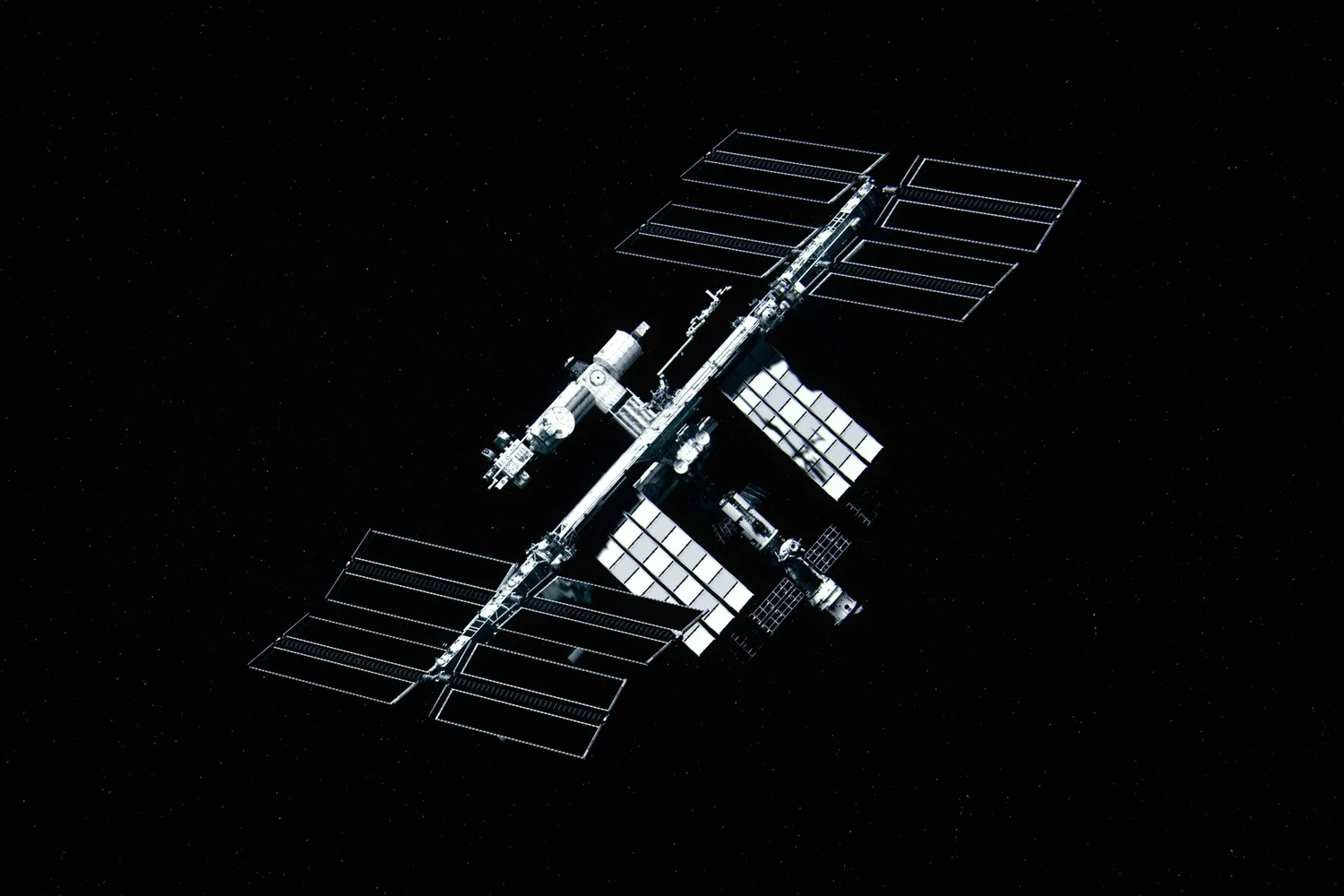
A spacecraft depends entirely on the radio links that reach it from the ground. Jam or spoof them and the satellite is a brick in orbit. The risk concentrates on the ground segment: teleports, ground stations, and launch ranges operate on public frequencies from fixed, well-known locations. That makes them the easiest part of the architecture to target, and the part most worth defending. It is also where interference most often goes unattributed, because no one was watching closely enough to say where it came from.
PlatypOS watches that spectrum continuously. Interference with uplinks, downlinks, and telemetry is detected as it begins, identified, and located — the mis-pointed uplink from a neighbouring teleport, the drone controller near the ground station, the jammer that would otherwise be logged as an equipment fault. Every event is timestamped and georeferenced for incident reporting. A continuous picture of everything transmitting around a ground station or launch range turns a contested asset into a defended one. A LYREBIRD orbiting payload for regional surveillance is planned.
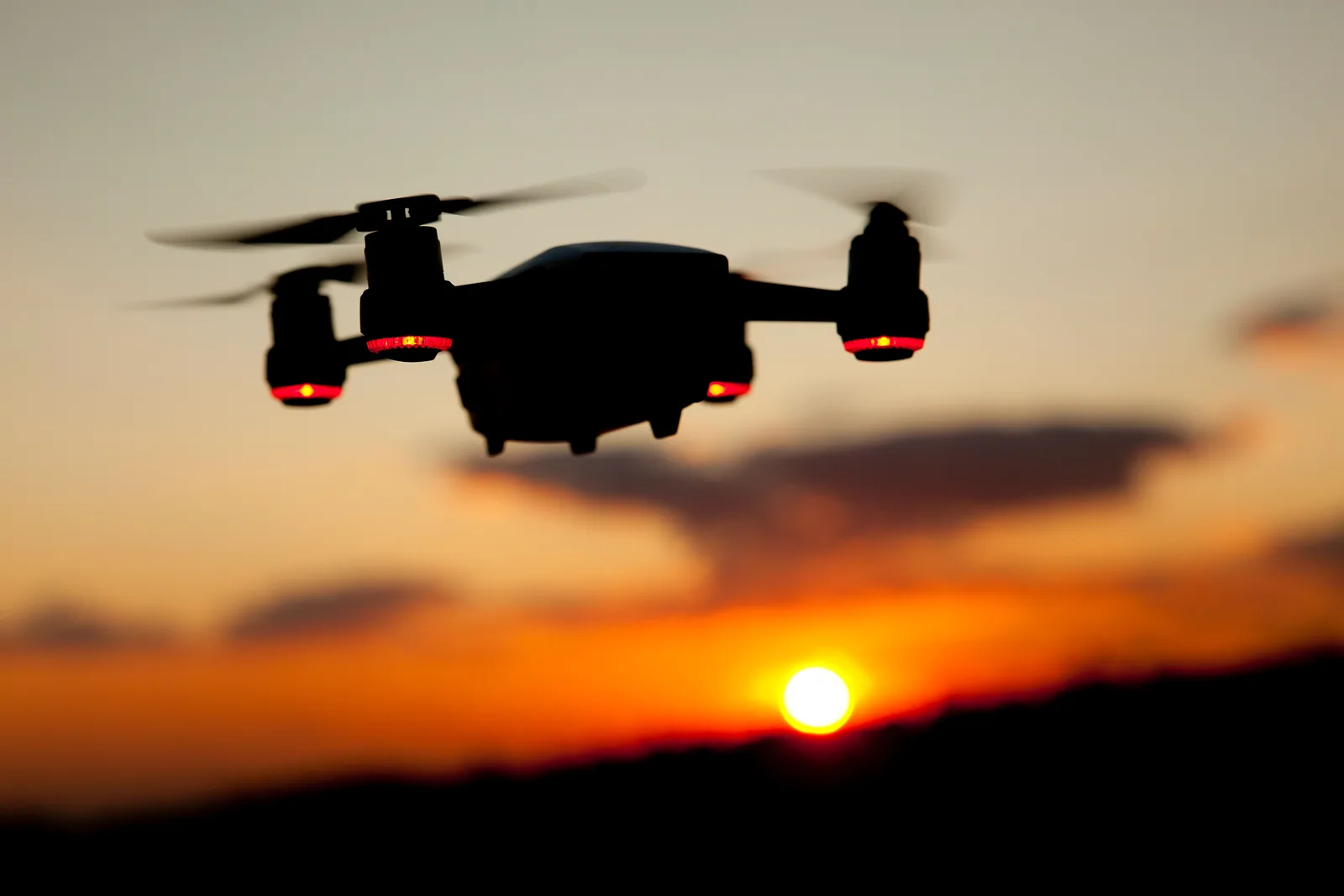
Drone control links detected over fixed, high-value ground infrastructure.
Interference with uplinks, downlinks, and telemetry detected at onset and traced to a source.

Downlink degradation attributed to its real cause — orbital, equipment, or environmental — instead of guessed at.
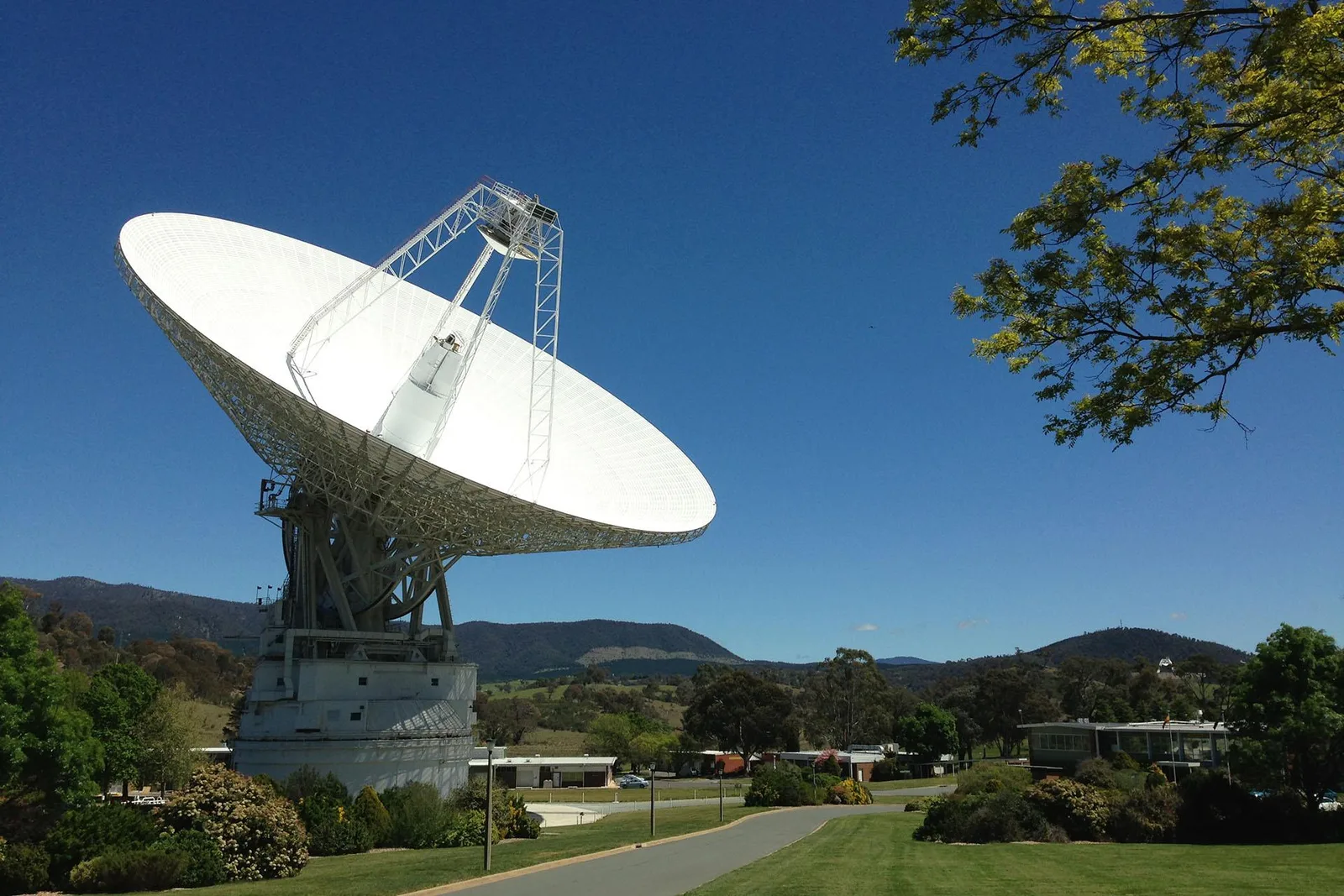
A continuous picture of everything transmitting around the site through a launch window.

Timing and tracking integrity monitored for the satellite navigation the ground segment itself depends on.
Drone control links detected over fixed, high-value ground infrastructure.
Interference with uplinks, downlinks, and telemetry detected at onset and traced to a source.
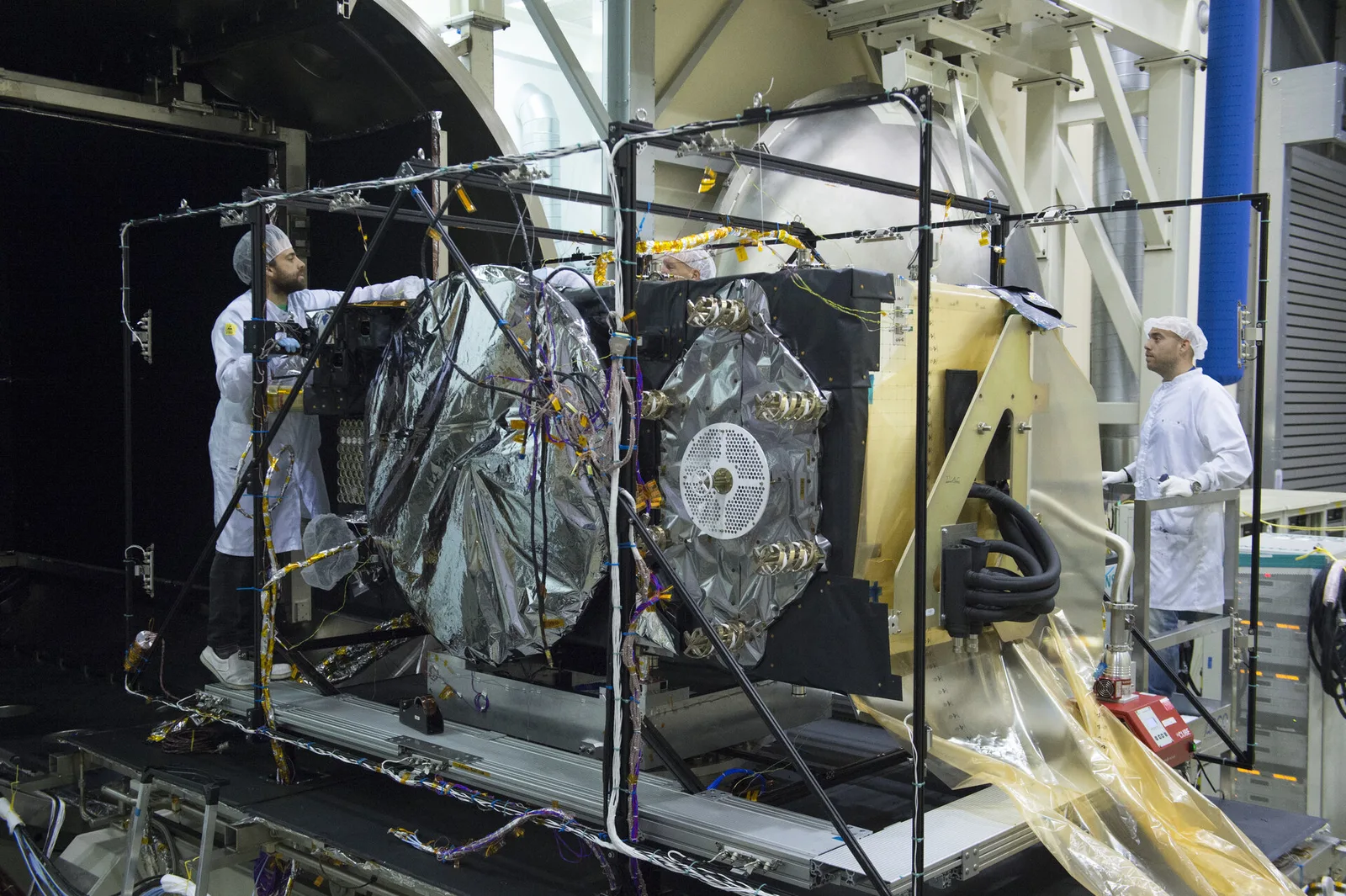
Galileo spacecraft photograph: ESA–G. Porter — CC BY-SA 3.0 IGO